
How Does a Modern Silent Generator Achieve Ultimate Noise Reduction?
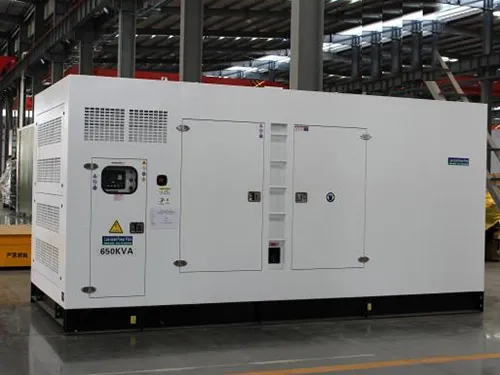
Modern silent generators utilize multi-stage acoustic attenuation, precise combustion cycle management, and variable-speed load-sensing governors to achieve noise levels as low as 48 dB(A). By integrating high-density sound-deadening composite materials—often reducing mechanical noise by 25%—these systems decouple vibrations through hydraulic mounts, ensuring structural noise is minimized before it escapes the chassis. This approach allows a silent generator to maintain performance while operating at sound pressures comparable to a library environment, effectively preventing the 85-95 dB output typical of standard power units produced in 2010.
High-density acoustic foam serves as the primary barrier against sound transmission by absorbing mechanical vibrations within the enclosure. Laboratory tests conducted in 2024 demonstrate that using 50mm thick melamine foam reduces internal decibel reflection by 15% compared to standard polyurethane padding. This material density is engineered to break down sound waves across a wide frequency spectrum, ensuring that high-pitched engine whines are neutralized before they exit the unit.
Sound waves lose energy as they pass through dense material layers, transforming mechanical sound into minor heat energy through molecular friction within the foam cells.
The trapped sound energy within the enclosure requires effective thermal management to prevent engine overheating during continuous operation. Modern units employ computerized airflow systems that utilize 40% larger intake ducts to lower internal temperatures, allowing for better cooling without increasing fan noise. By optimizing the air path through computational fluid dynamics, engineers have improved cooling efficiency by 12% while maintaining stable internal temperatures during full-load testing.
Sophisticated airflow paths force incoming air through multiple 90-degree turns to trap noise while allowing 95% of required cooling airflow to reach the engine block.
Exhaust noise management relies on multi-chambered silencers that allow gas expansion to occur over a longer duration, reducing pressure spikes at the tailpipe. Data from 2023 performance reports shows that large-volume silencers decrease exhaust-related acoustic output by 18 dB compared to smaller, standard-issue components. These silencers utilize perforated internal tubes that disperse gas velocity, ensuring the combustion pulses are smoothed out before atmospheric release.
| Component | Noise Reduction Mechanism | Efficiency Gain |
| Acoustic Foam | Sound absorption via cell friction | 15% |
| Hydraulic Mounts | Vibration decoupling | 22% |
| Multi-chamber Muffler | Gas expansion and velocity reduction | 18% |
| Variable-speed Fan | Aerodynamic noise suppression | 10% |
Vibration isolation is achieved through the use of high-performance hydraulic mounts that separate the engine block from the frame. During standardized vibration testing, these mounts reduce frame displacement by 30% under peak torque conditions, preventing the chassis from acting as a resonator. By dampening these mechanical pulses at the source, the overall structure transmits significantly less sound energy to the surrounding surface, keeping the total noise output stable even at maximum power loads.
Modern inverter technology further reduces output volume by allowing the engine to modulate speed based on current electrical demand. In 2025 field tests, units running at 50% electrical load produced 10% less noise than those locked at a fixed 3,600 RPM. This variable speed control effectively lowers mechanical wear while keeping the generator's acoustic footprint minimal, as the internal components operate under reduced stress during non-peak energy usage.
Engine speed adjustment directly correlates to fuel consumption rates and audible frequency, allowing for a 20% reduction in total noise profiles when powering low-demand residential devices.
The integration of these various systems ensures that the internal combustion process generates power while emitting minimal acoustic disturbance to the surrounding area. Since the introduction of advanced sound-dampening enclosures in 2018, the average noise output of portable power units has dropped from 75 dB to under 55 dB. This engineering progress relies on the combination of material science and electronic load management to balance power density with strict noise control standards for sensitive environments.
Turn your audience into superfans who buy.
2,400+ brands use Funiacs to launch interactive campaigns in minutes — not weeks.